References – completed developments
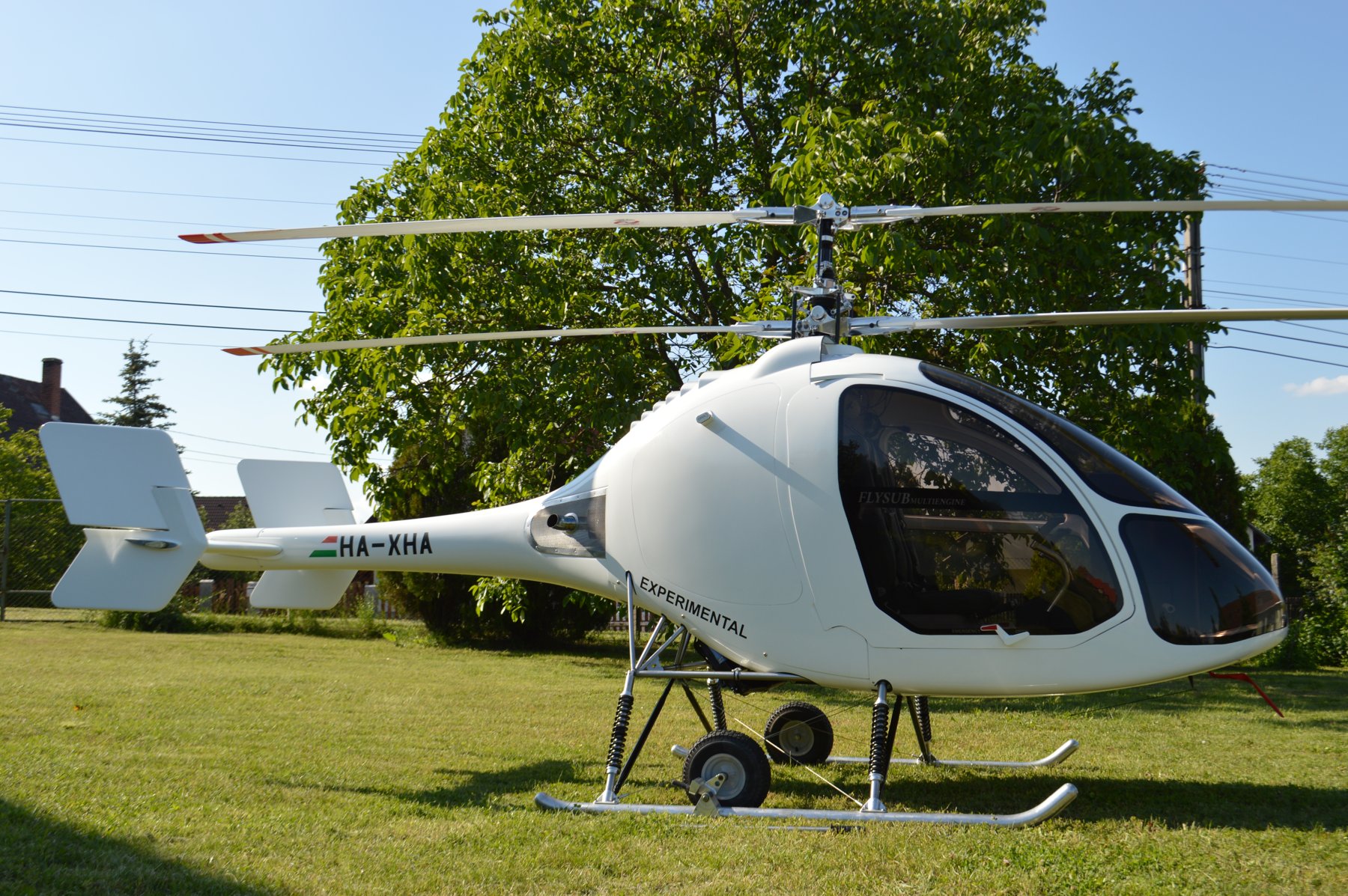
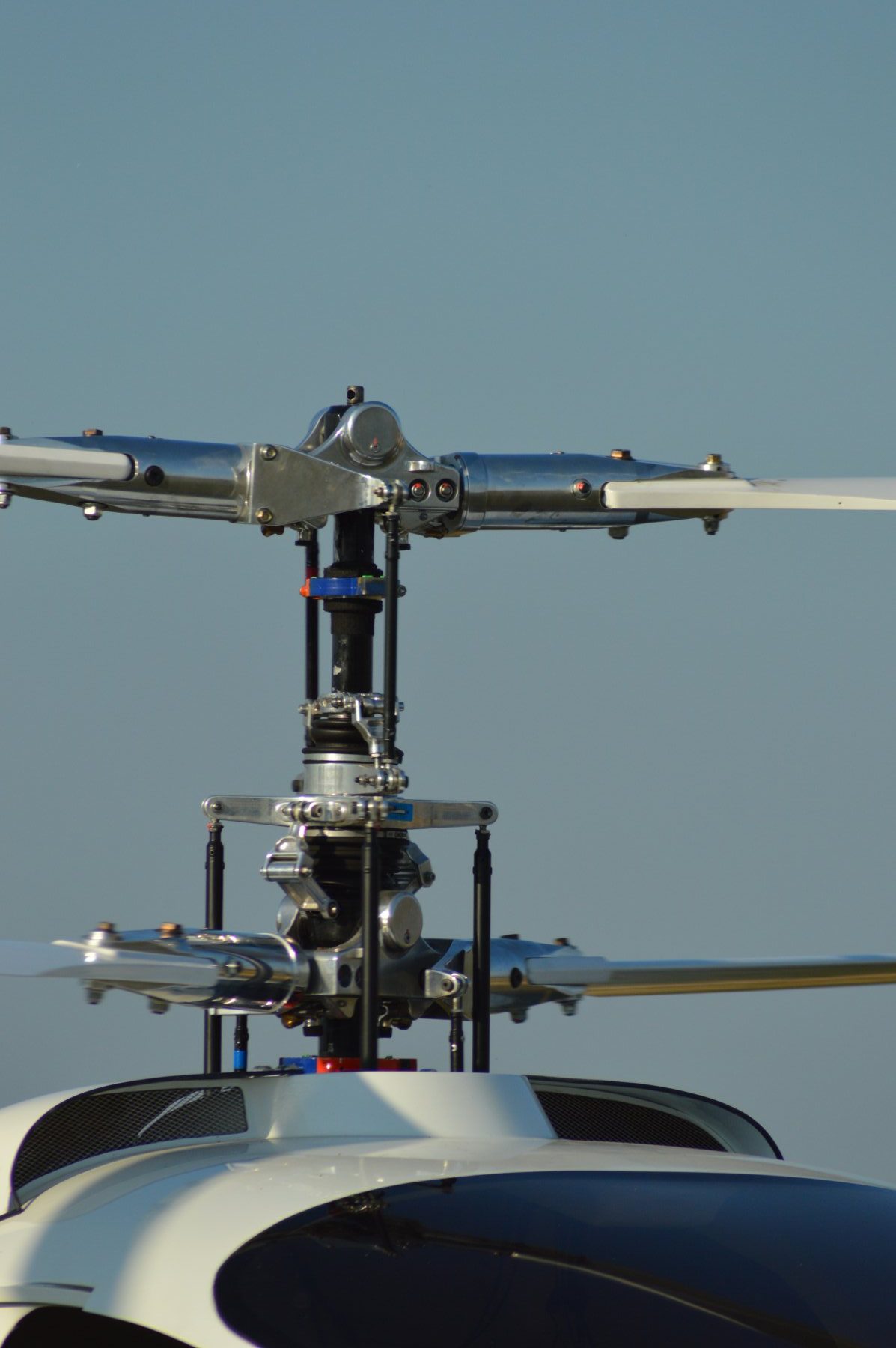
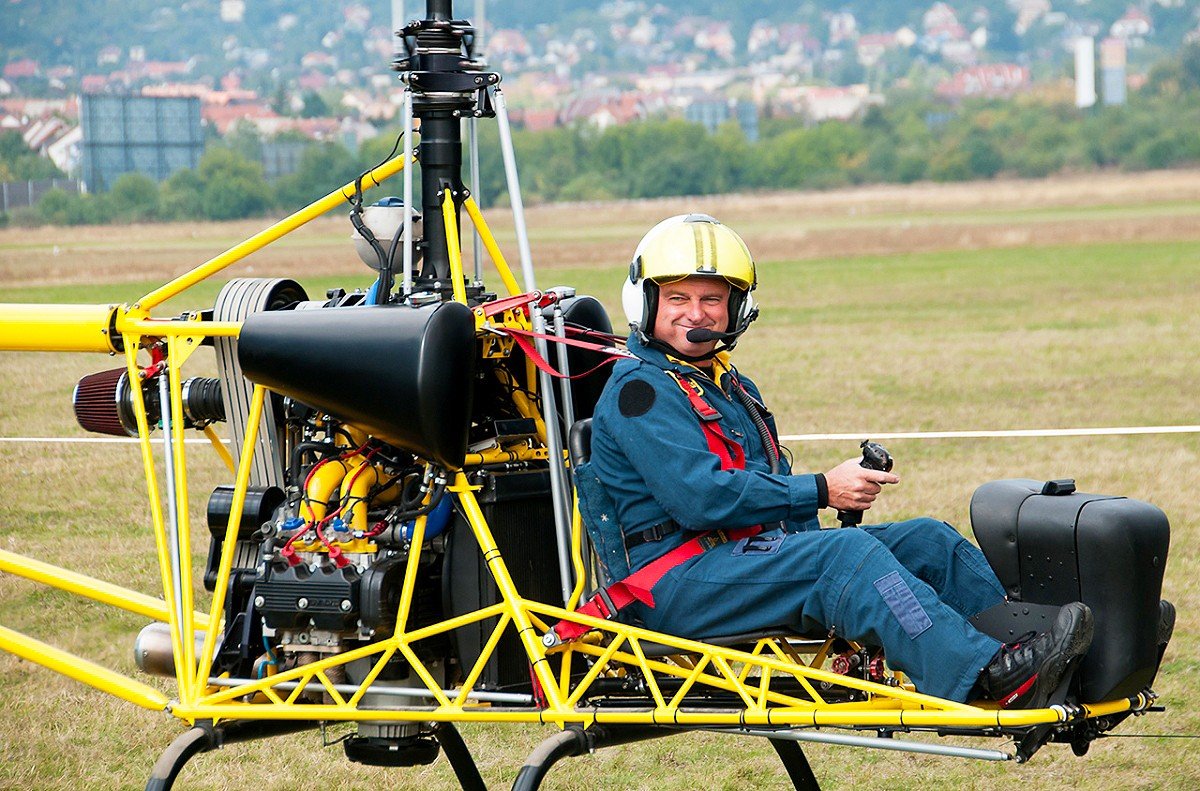
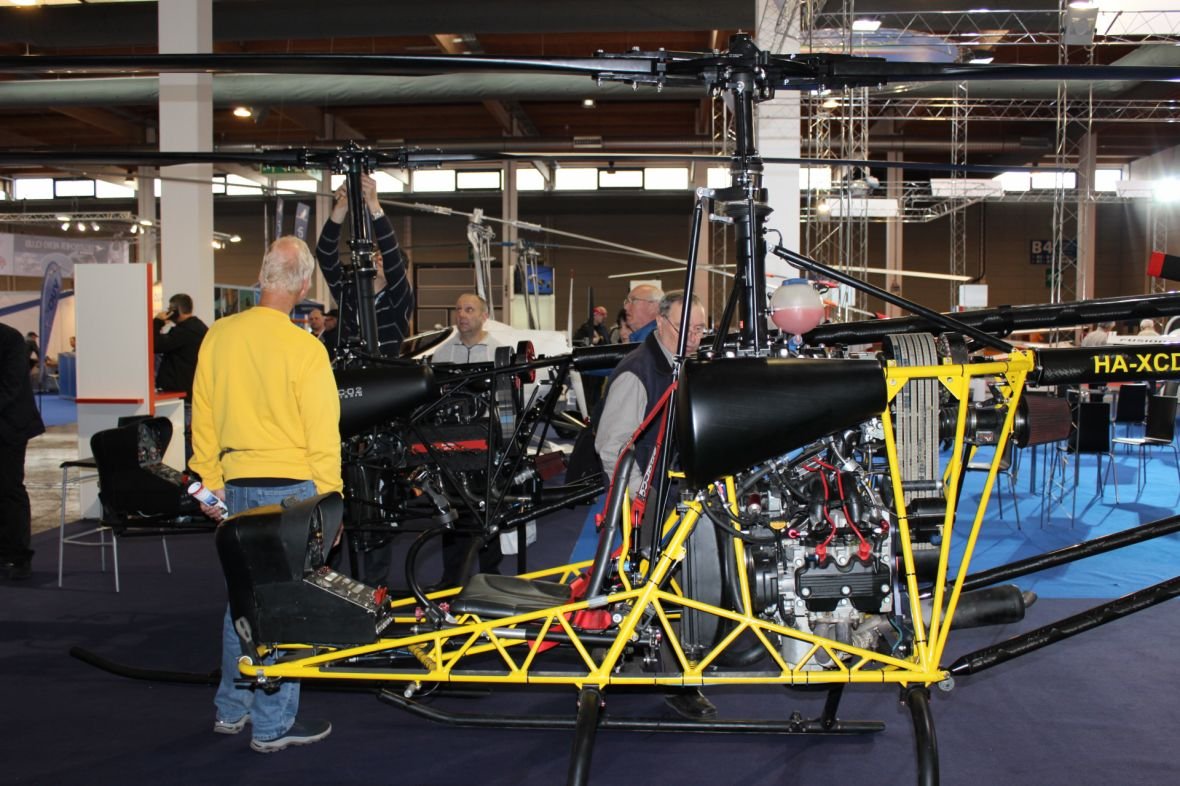
The Flysub Multiengine coaxial helicopter.
Aircraft systems
Custom test equipment
Carbon-composite structures
HeliForce
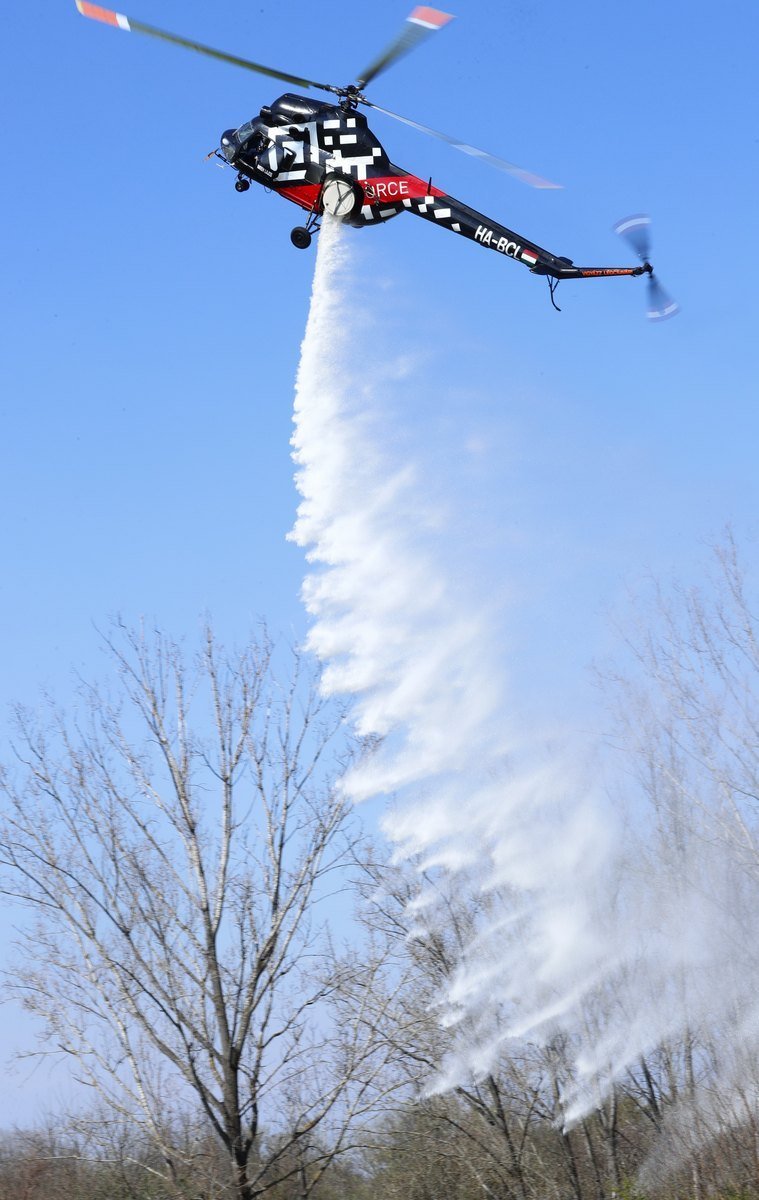
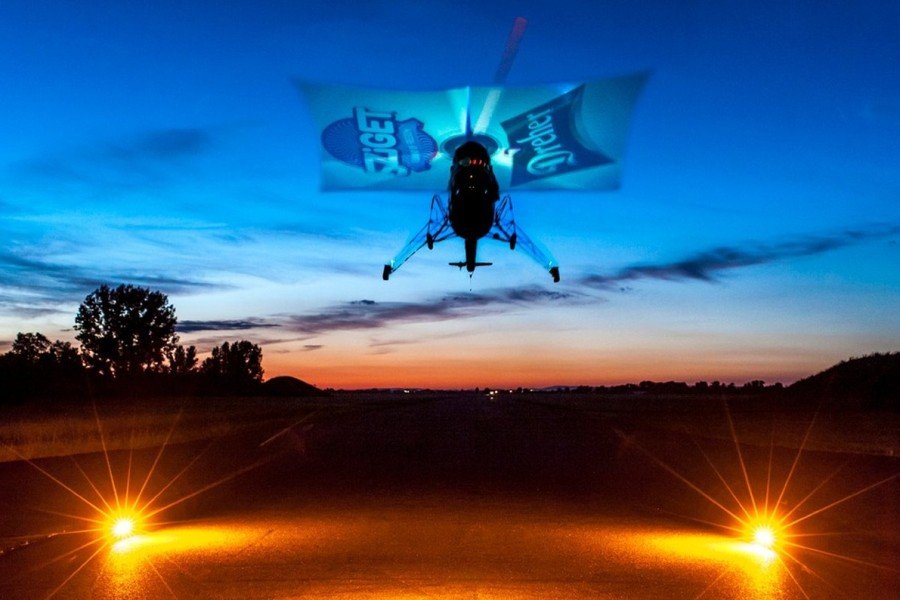
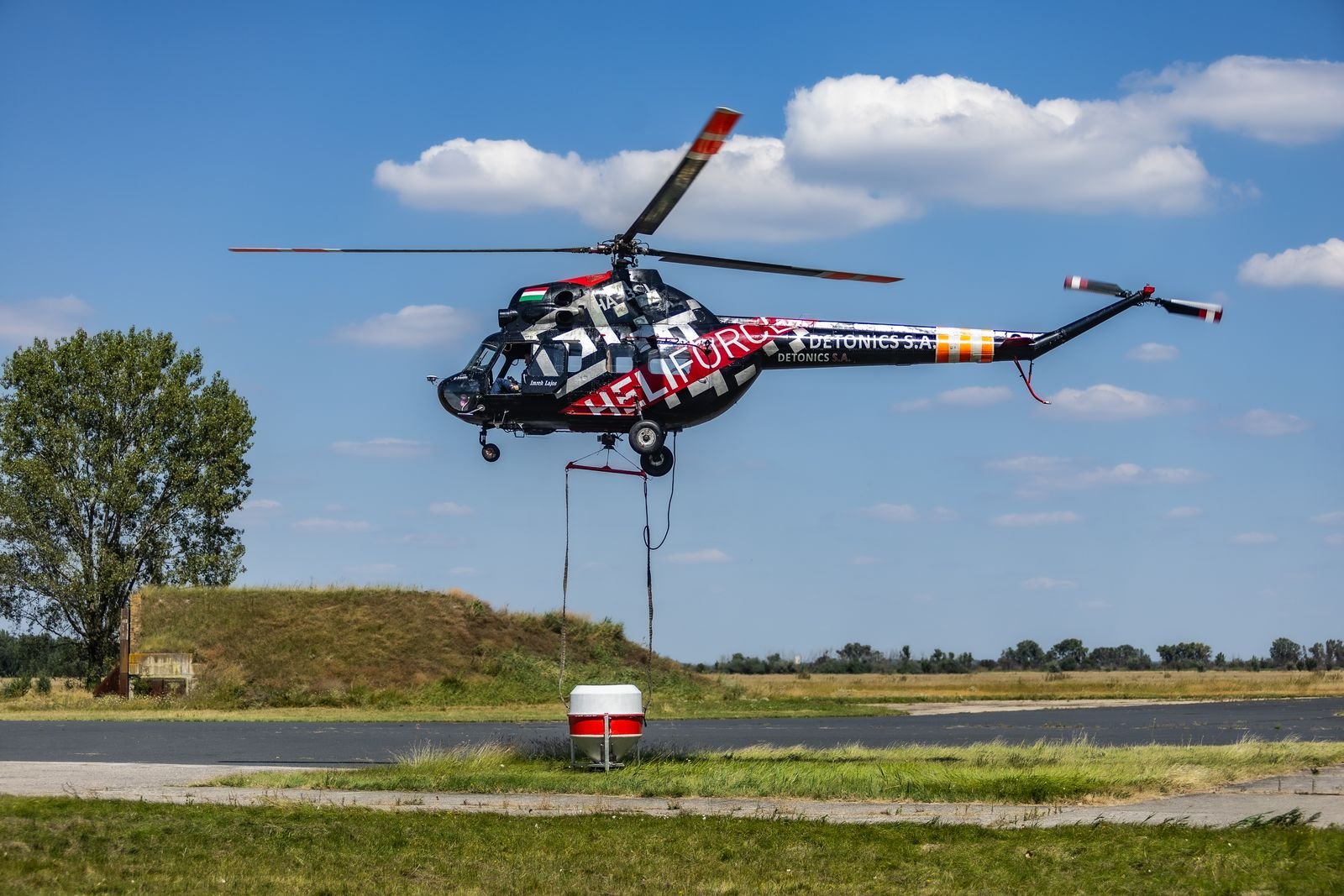
Since 2011, Flysub Kft. has contributed to the implementation of several HeliForce Kft. innovations. We have participated in the development of airborne firefighting systems, aerial advertising solutions and agricultural spraying systems. Our cooperation remains excellent to this day, and further developments are ongoing.
Hungarokopter
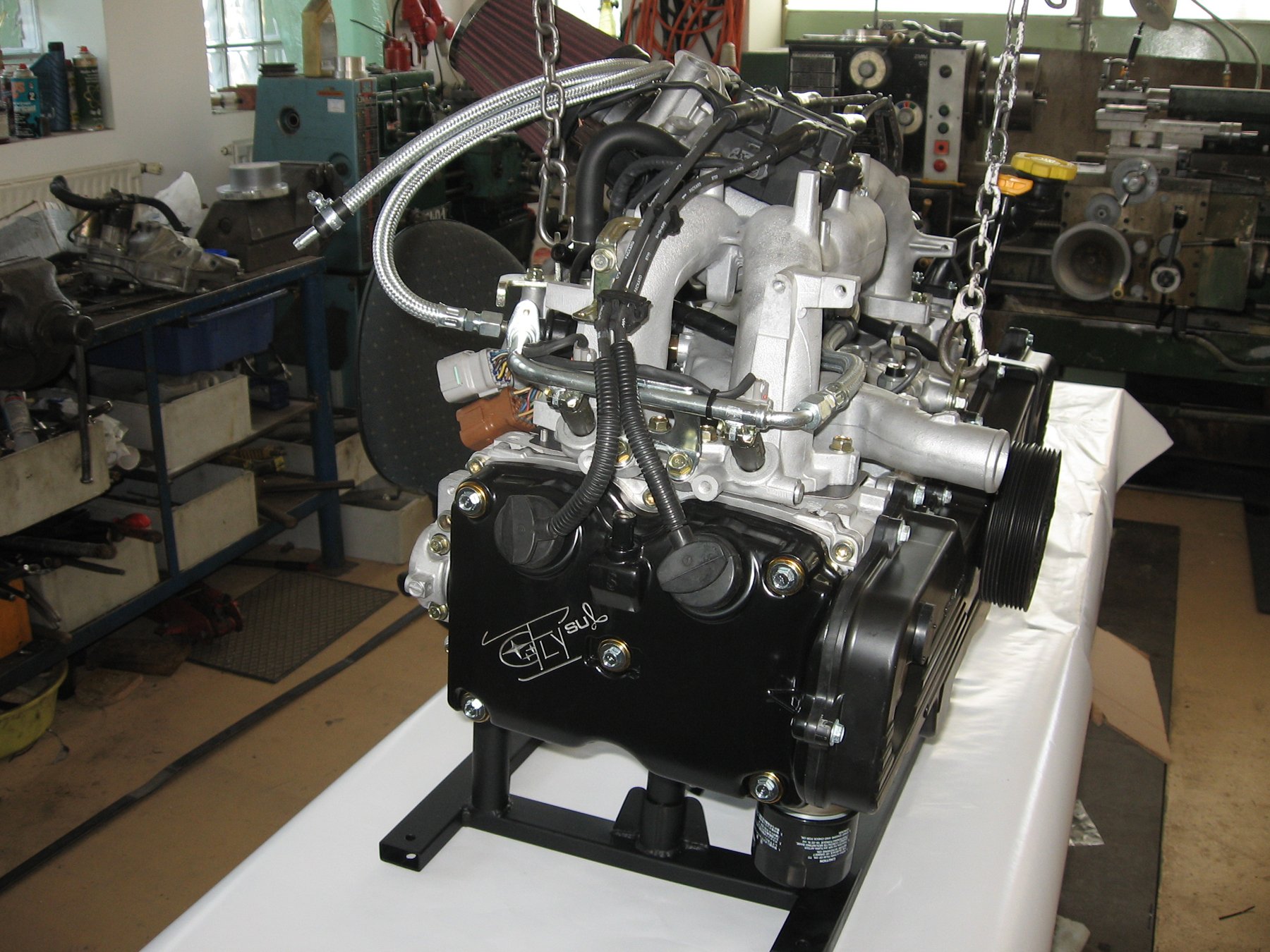
In 2010, with Flysub’s involvement, a Subaru engine was installed in Hungarokopter’s first development, the HC01. The cooperation has continued ever since.
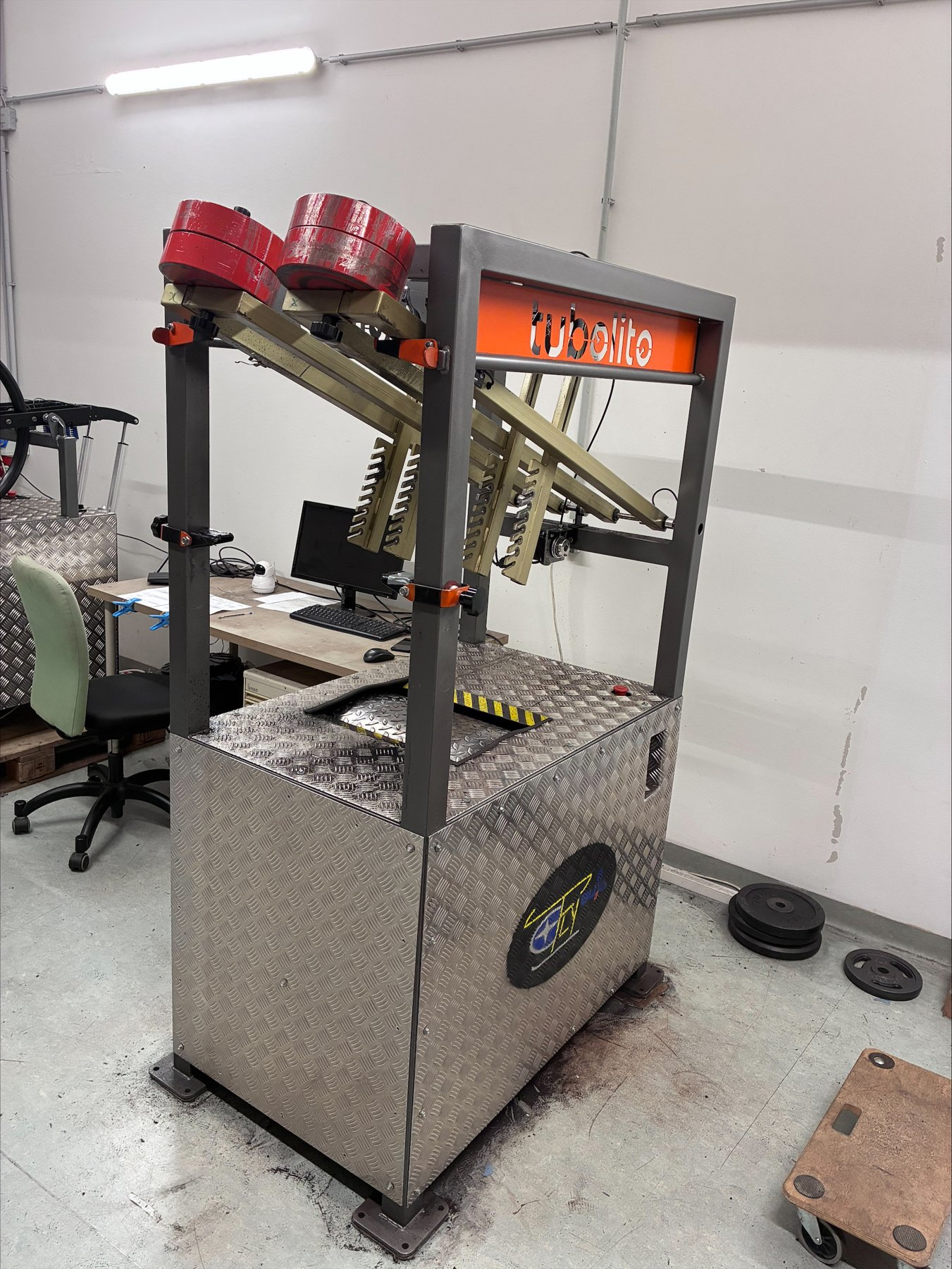
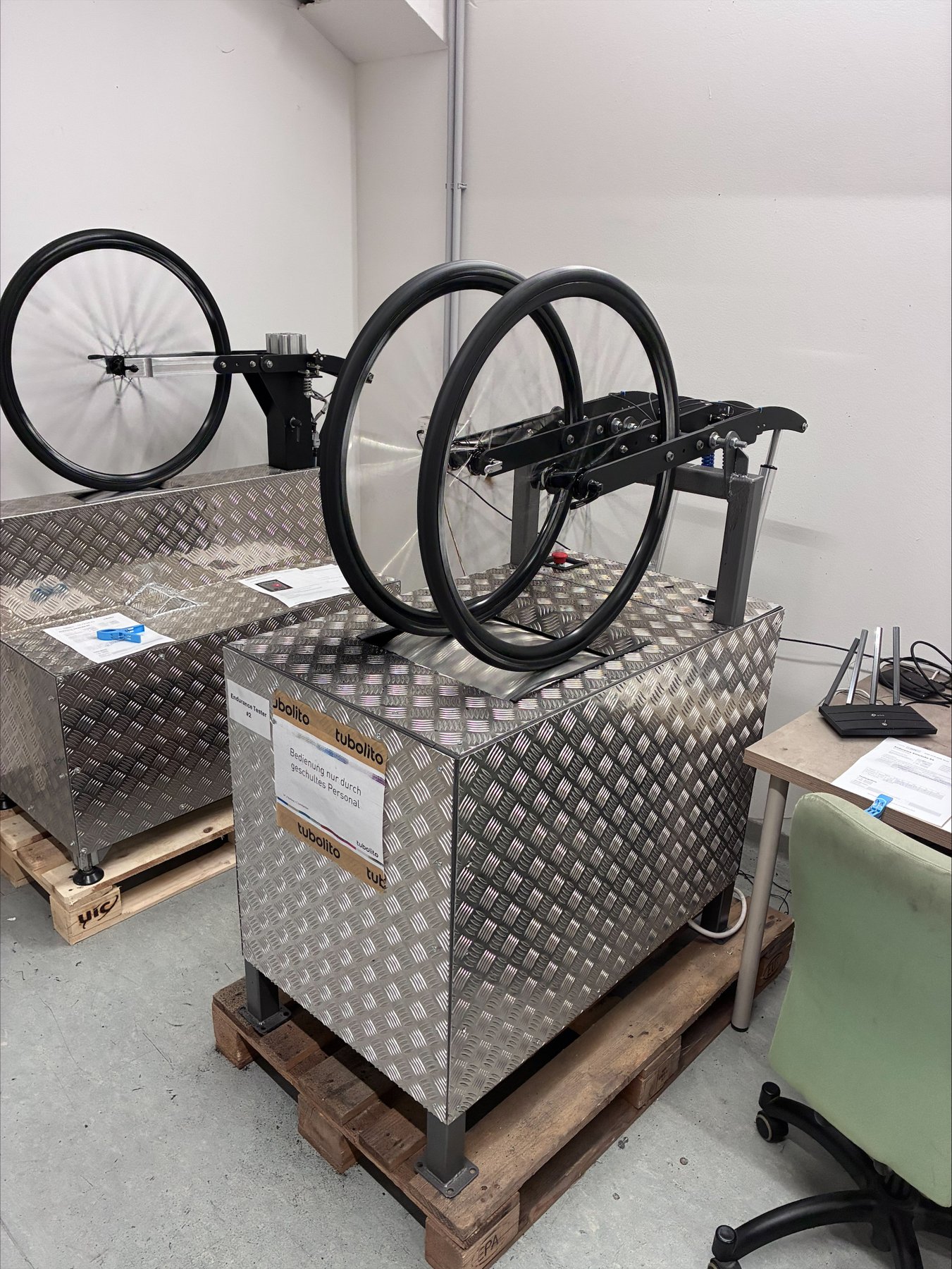
Tubolito GmbH – Development and manufacture of test machines
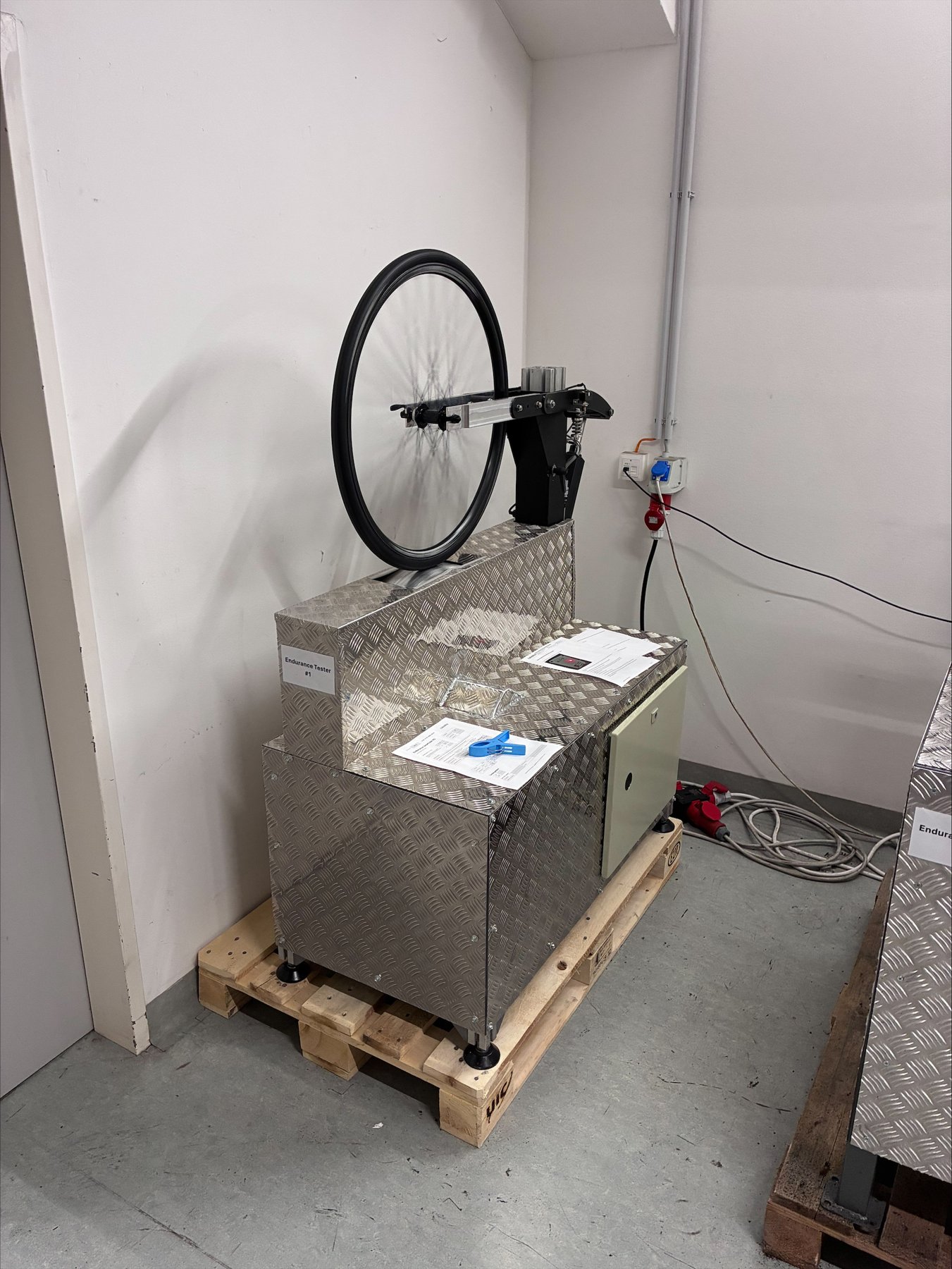
Tubolito GmbH continuously tests its products, and over the years Flysub Kft. has designed and manufactured several test machines for the company. The equipment was developed to ensure that the tests comply with even the strictest international standards.
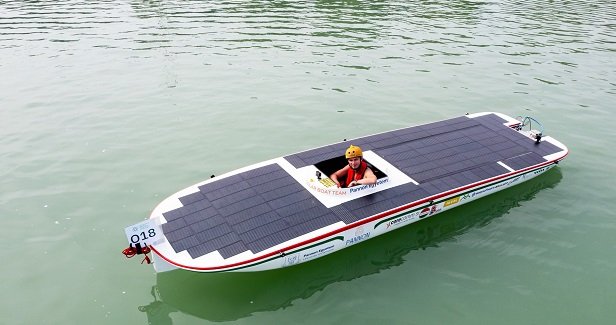
University of Pannonia – Solar Boat racing boat hull
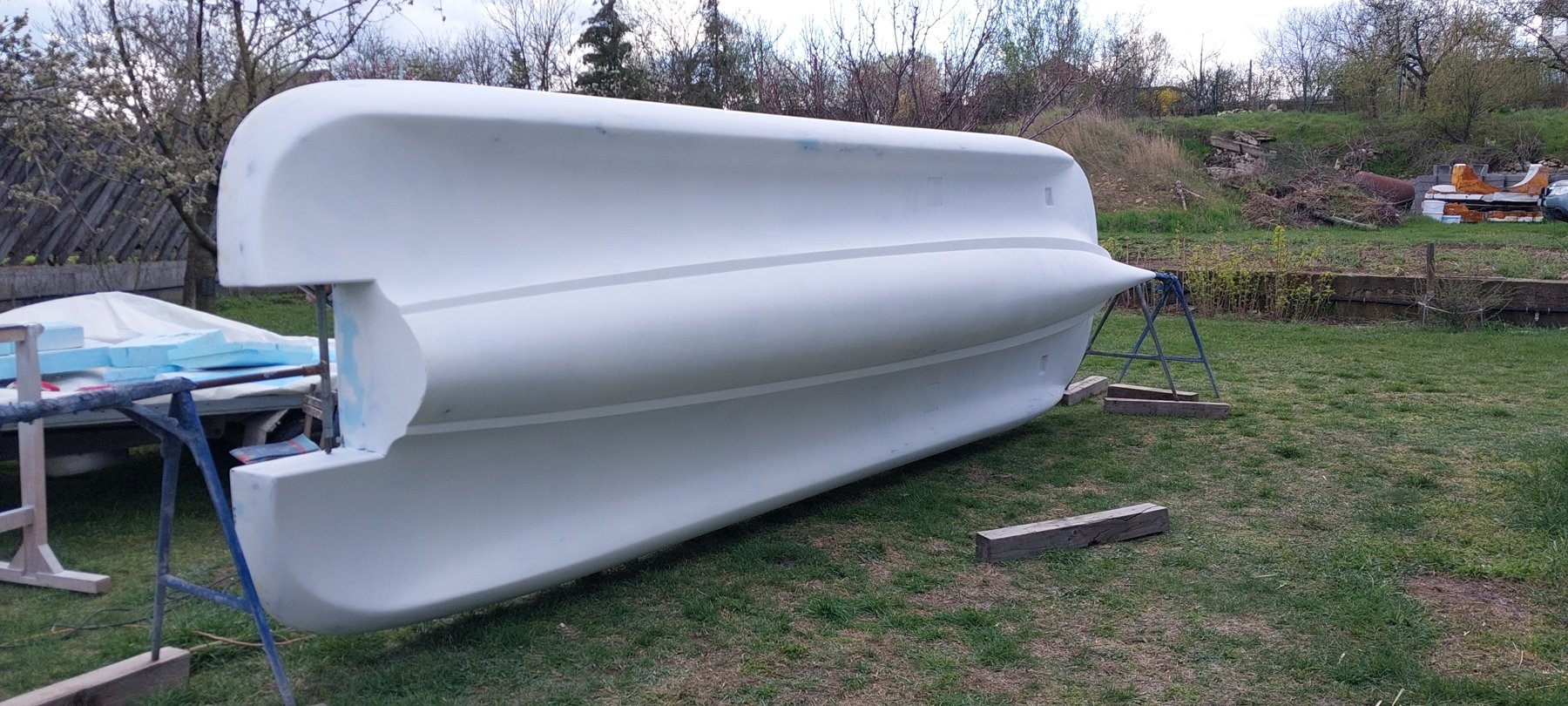
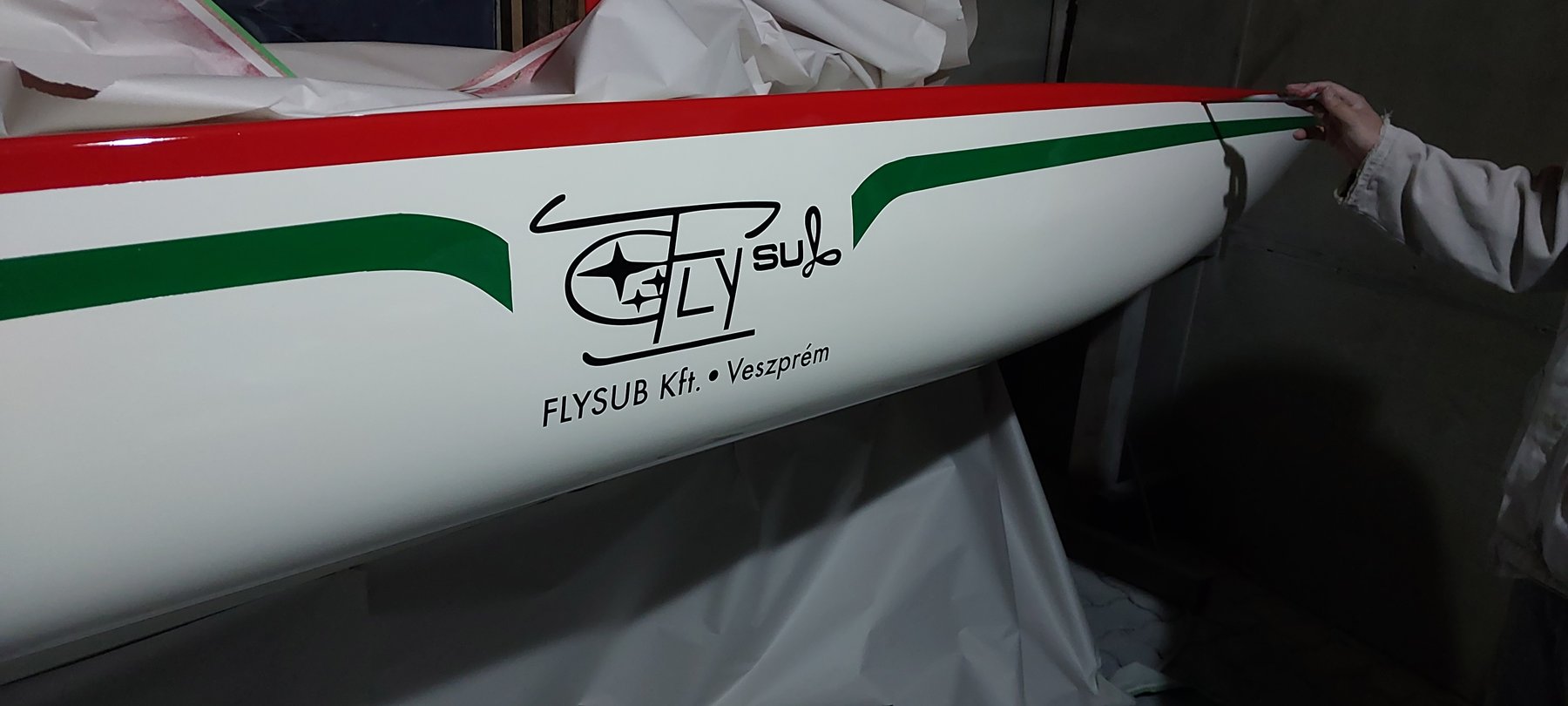
In 2020, a representative of the University of Pannonia contacted the company: they needed a racing boat to represent the university in the international Solar Boat Challenge. Our expertise in carbon-composite technology, together with the precise aerodynamic, structural, mechanical, electronic and design experience gained through aircraft development, provided a significant advantage in the design and manufacture of the racing boat. The hull was designed and manufactured entirely by Flysub Kft., with full consideration of all applicable requirements and competition regulations. The boat was originally painted in Hungary’s national colors and was later wrapped in blue. It continues to take part in competitions every year.
Helicopter rotor balancing
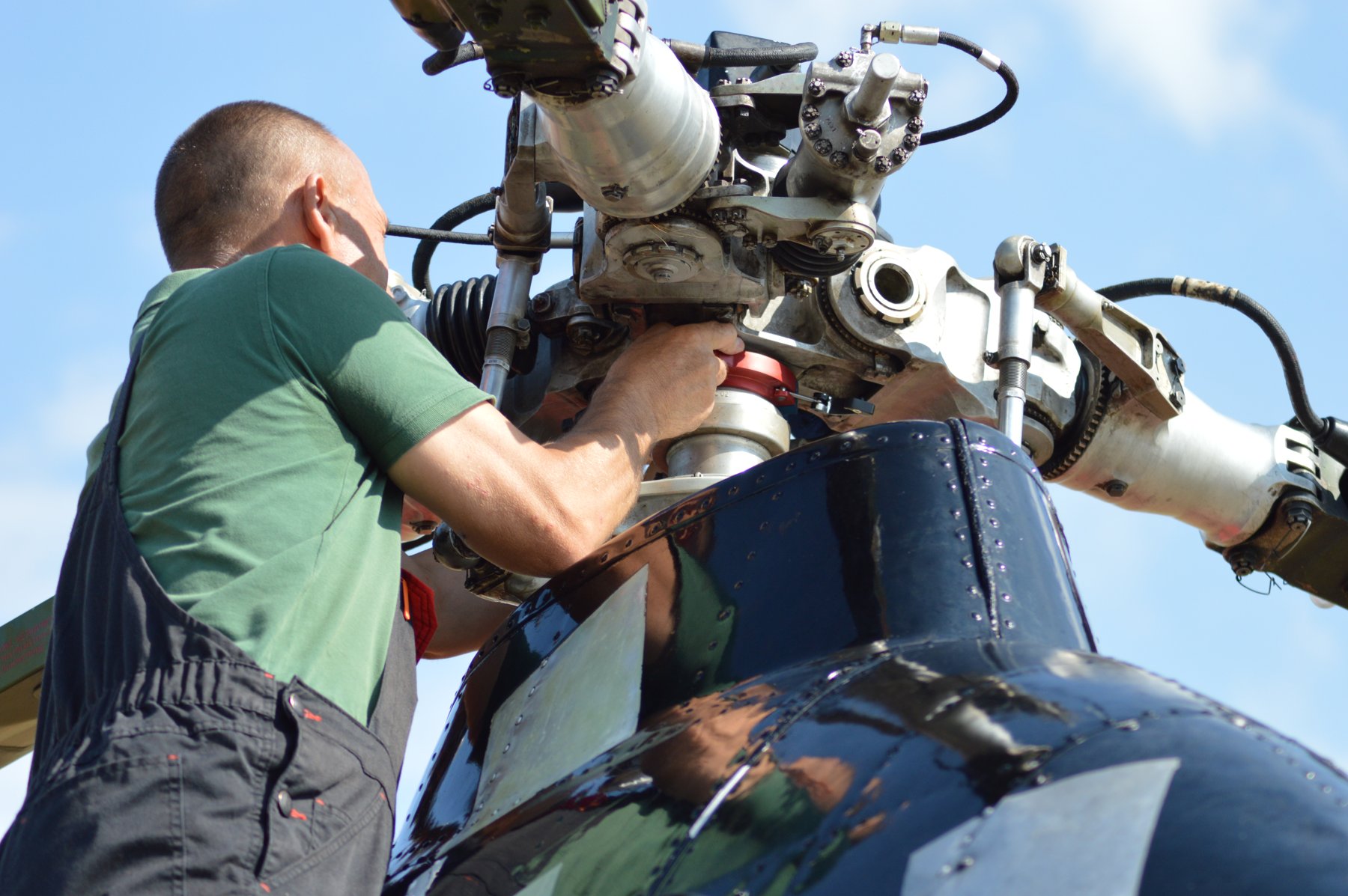
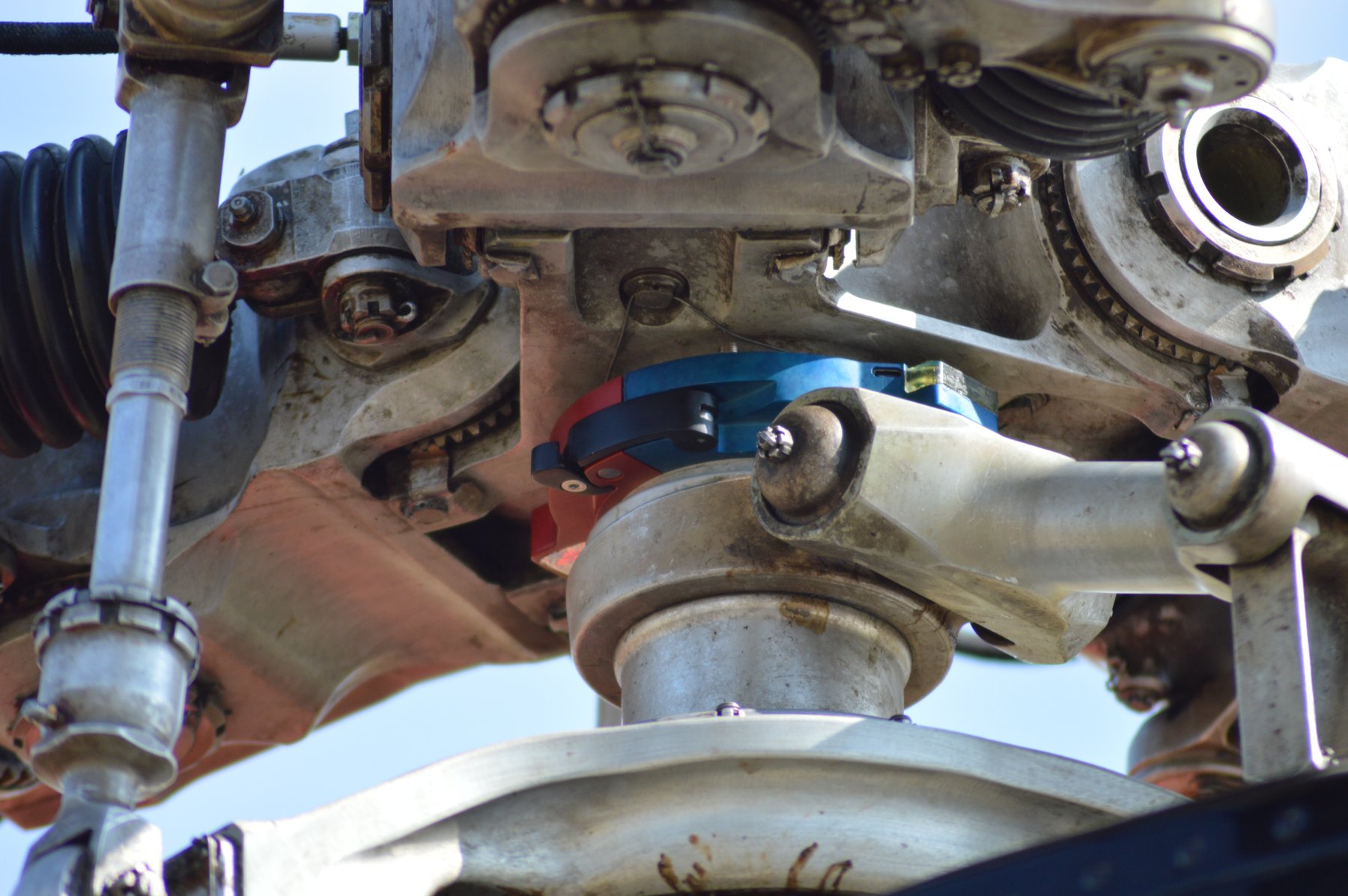
Using our proprietary instrument, vibrations caused by imbalance can be measured on helicopter rotor shafts and structural components and adjusted within a short period of time. The instrument’s key innovation is that it directly measures both the magnitude and direction of rotor shaft vibration, even during aerobatic flight, making it possible to assess the condition of the aircraft’s structural components as well. Multiple instruments can operate simultaneously within the same network, allowing several shafts to be measured at the same time – for example, in coaxial drive systems. Another advantage is that stronger winds do not interfere with the measurements; in fact, they can be particularly beneficial when measurements are carried out at lower rotational speeds.