Twin-engine coaxial helicopter, with Hungarian development

Flysub develops and manufactures unique aircraft. Our proprietary twin-engine coaxial helicopter is about to begin its flight-test programme.

Planned flight performance

Planned range
0 km
Planned cruising speed
0 km/h
Payload with two persons
0 kg

200 km/h

felett elérhető sebesség

0 kg

Maximum takeoff mass

0

Independent motor

Development, manufacturing and measurement under one roof

We pass on our engineering experience gained in aircraft development, carbon-composite structures and vibration measurement to our clients through three services.

Aircraft development

With the documented experience of developing our own coaxial helicopter, and backed by our partnerships with HeliForce and Hungarokopter.

Custom machine development

Design and manufacture of custom machinery, test equipment and carbon composite structures, from concept to finished part.

Helicopter rotor balancing

Using our in-house developed instrument, the magnitude and direction of the rotor shaft vibration can be measured directly, and the balancing can be adjusted in a short time.
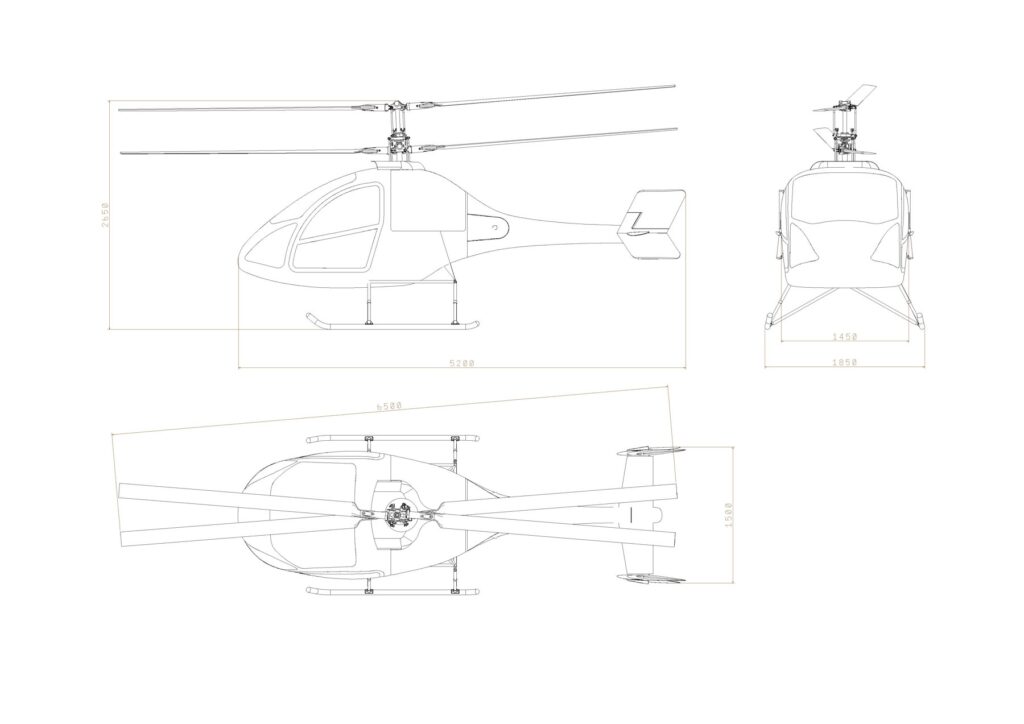
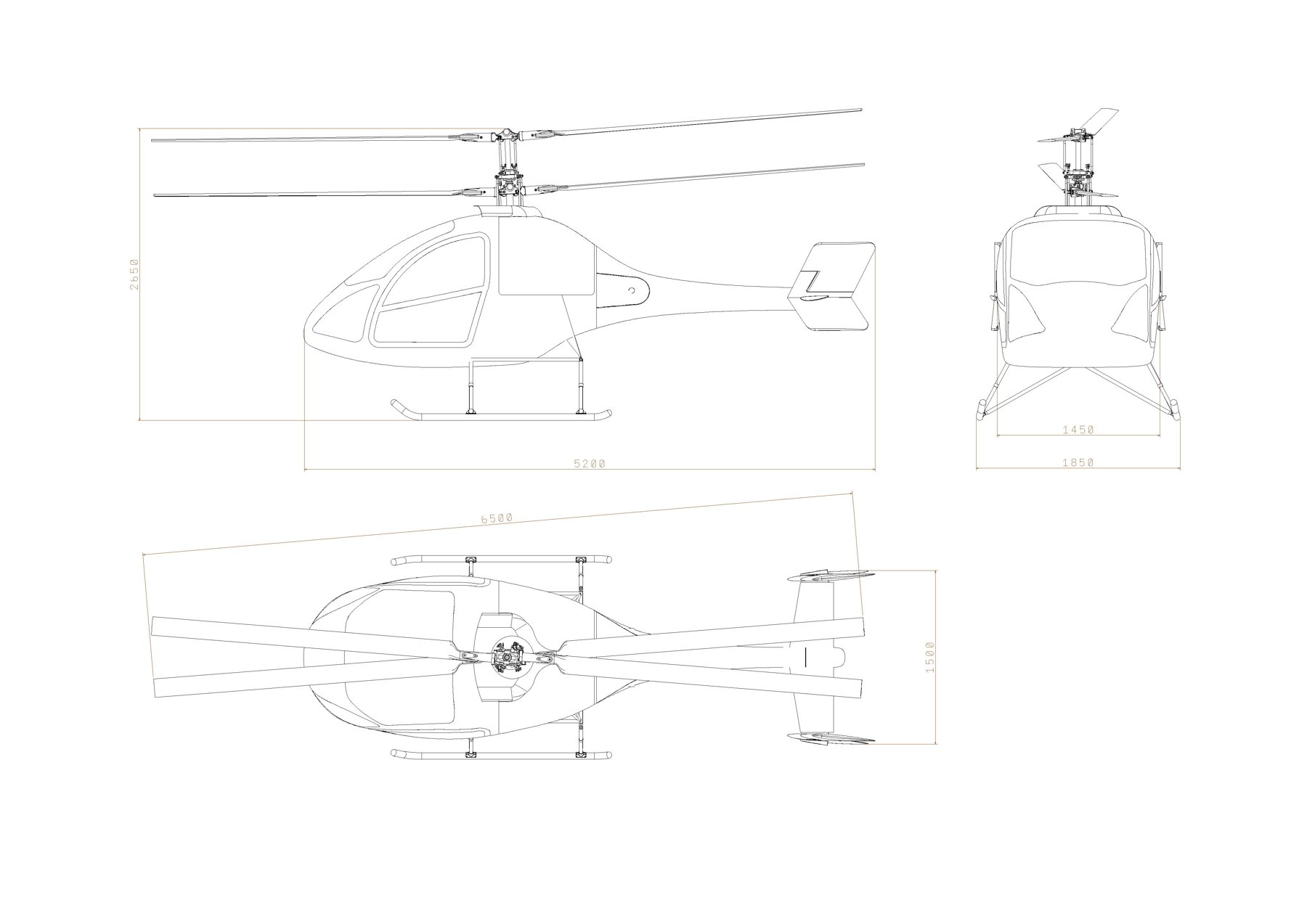
A three-view technical drawing of the helicopter with the main dimensions

Engineering precision from the drawing board to flight

The design principles and strength test series of the aircraft comply with the EASA CS-27 regulations.

Technical solutions

The Flysub Multiengine is a twin-engine, two-seat, dual-control coaxial rotor helicopter in the experimental category. Its intended purpose is the highly reliable and economical transport of two people and at least 250 kg of payload – 350 kg with a single pilot – over a distance of 550–600 km, for search and rescue operations, disaster relief, and work requiring high load capacity and precision.
 

Two independent powertrains

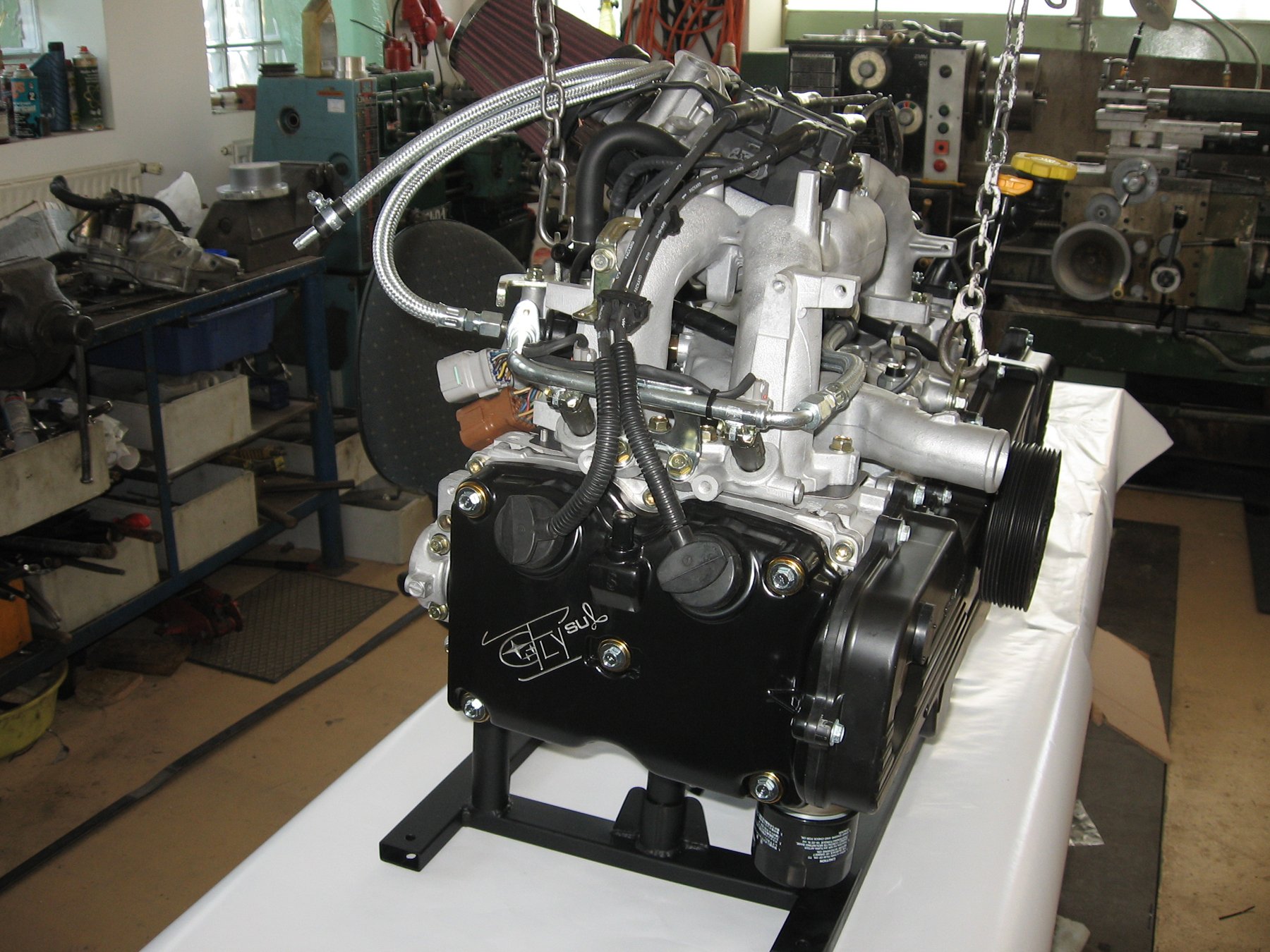
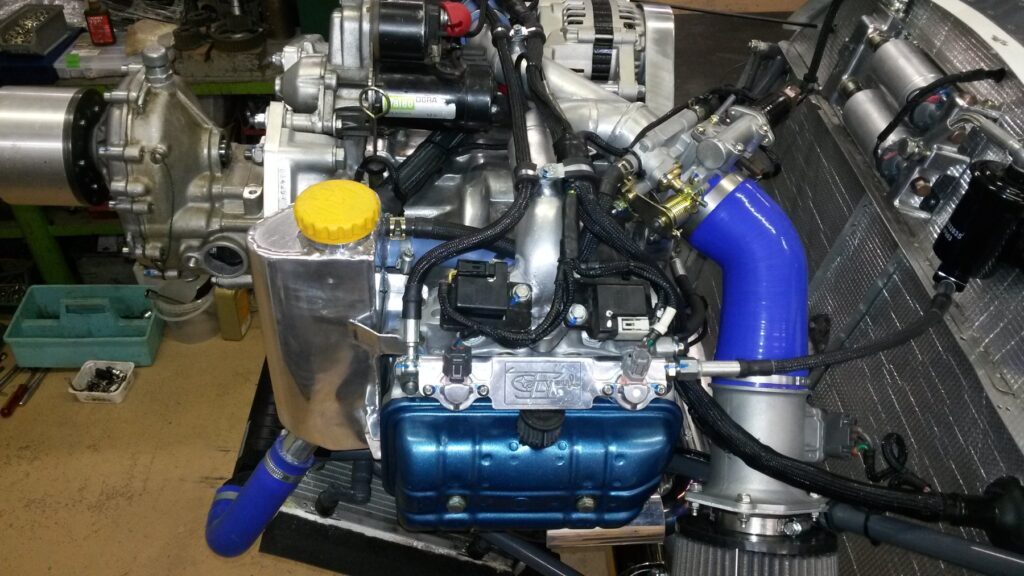
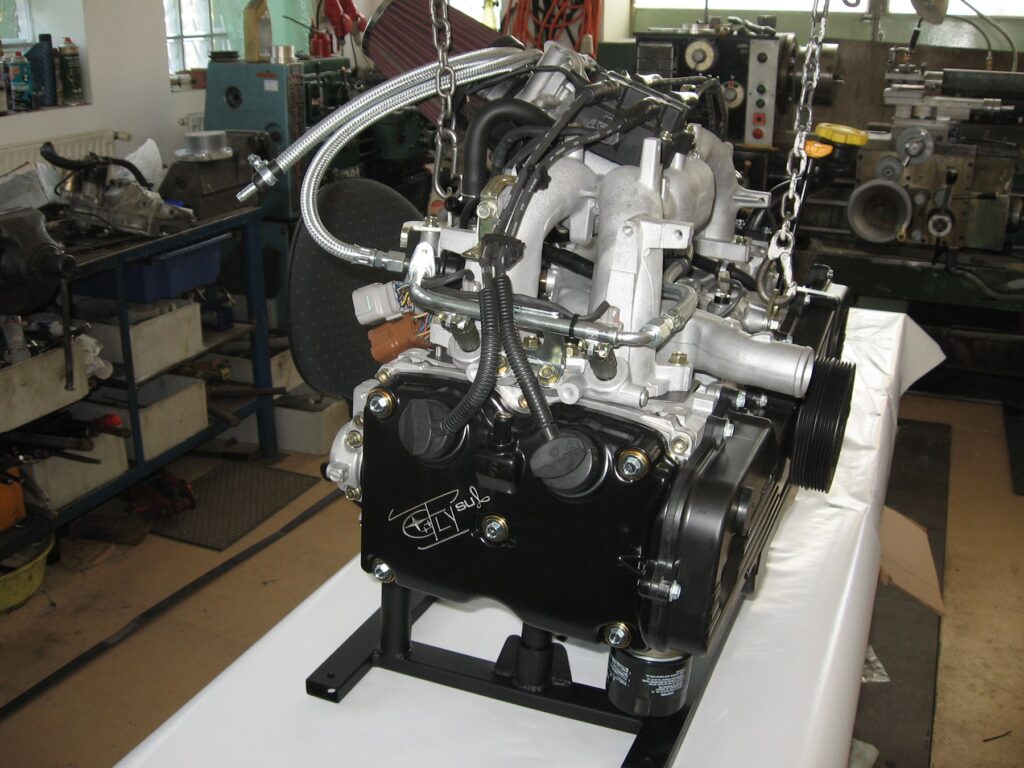
The machine is powered by two independently operating Subaru EA81 series 1,800 cm³, 120 hp, petrol-injected, liquid-cooled engines. The freewheels automatically disengage the drive on the given side if either engine stops.

Single-engine flying

When an engine fails, an immediate forced landing is not necessary: the aircraft can continue flying on one engine and land safely.

Verifiable structural framework

Gas-tight, gas-filled steel tubular frame structure with a pressure gauge, so that any potential crack can be detected immediately.

Carbon-composite rotor blades

Two 3000 mm long NACA 23012 profile rotor blades per axis, with no life limitation, for condition-based operation.

Engine power reserve

0 %

The machine is also capable of hovering at maximum take-off mass with 60% engine power and achieving a rate of climb of 4 m/s.
Design of custom machinery and composite structures

We also leverage the aerodynamic, static, mechanical, electronic and design-engineering experience gained in aircraft development in the manufacture of custom machinery, test equipment and carbon-composite structures.
 

Test equipment

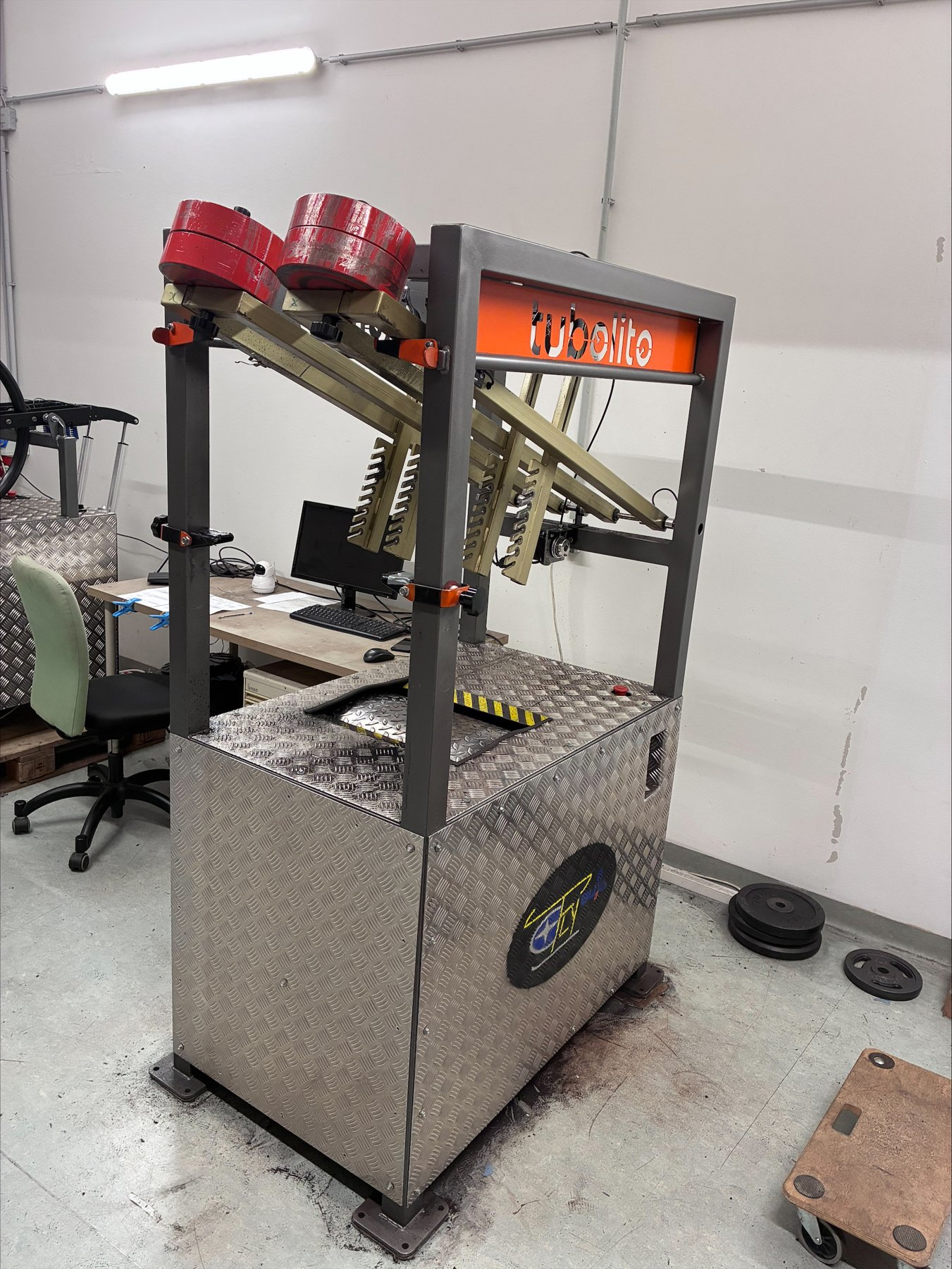
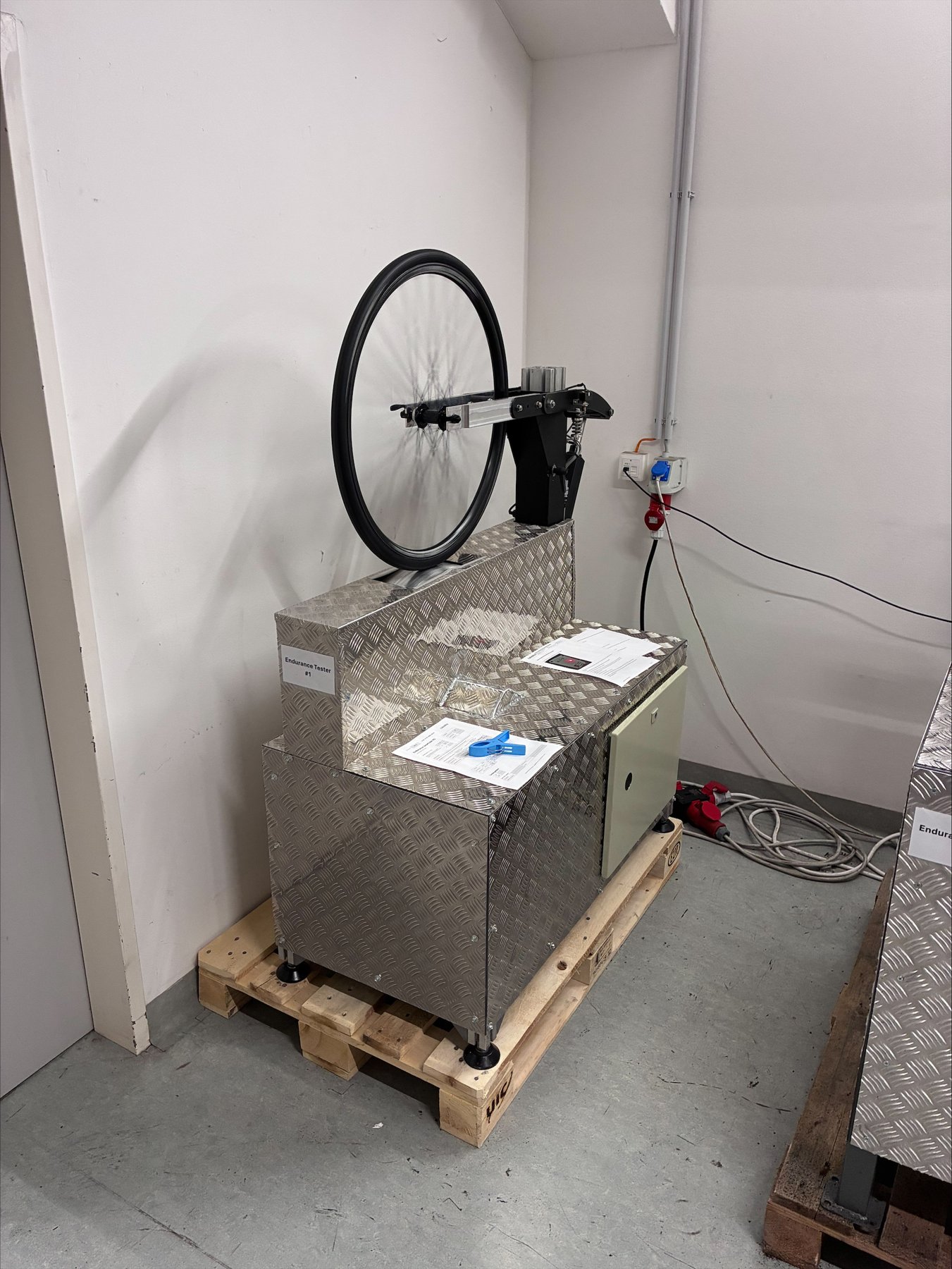
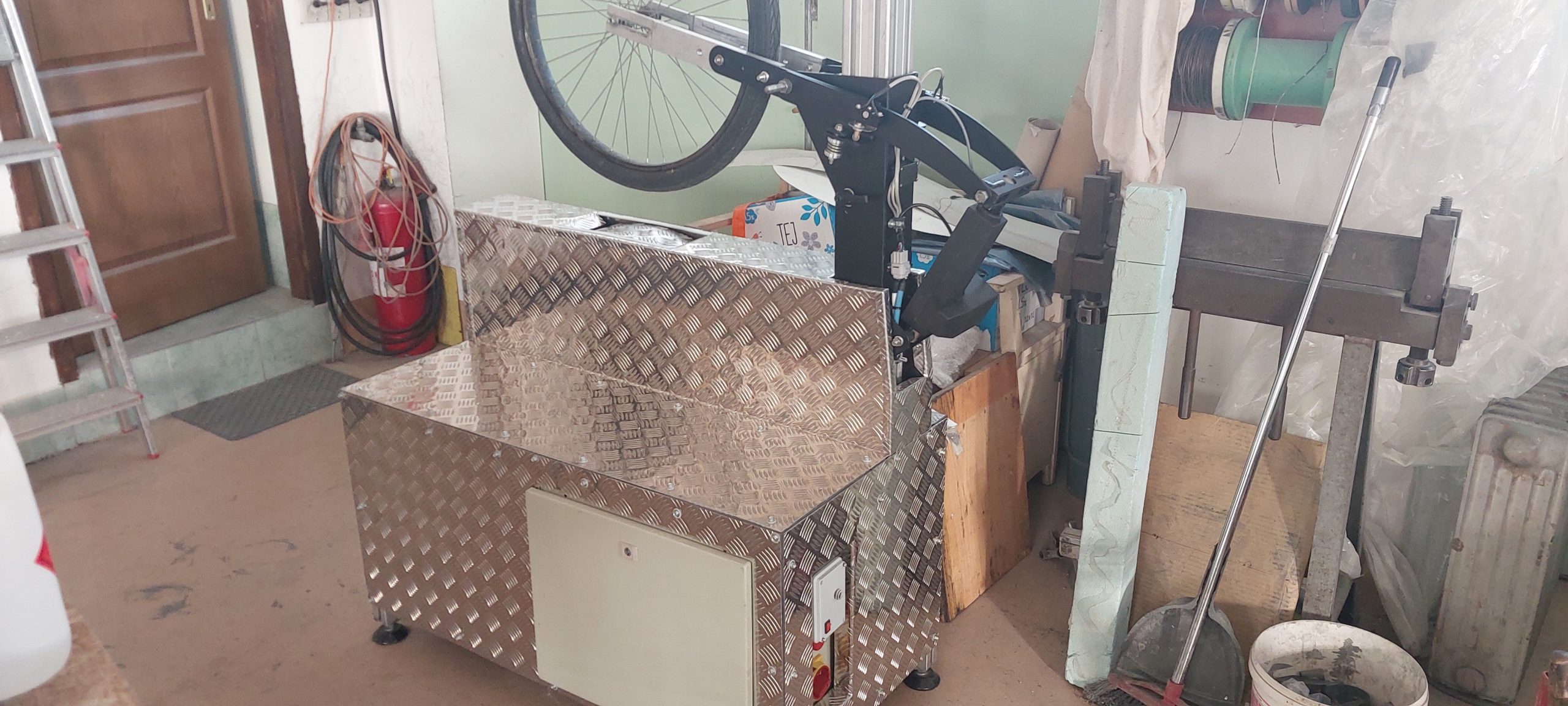
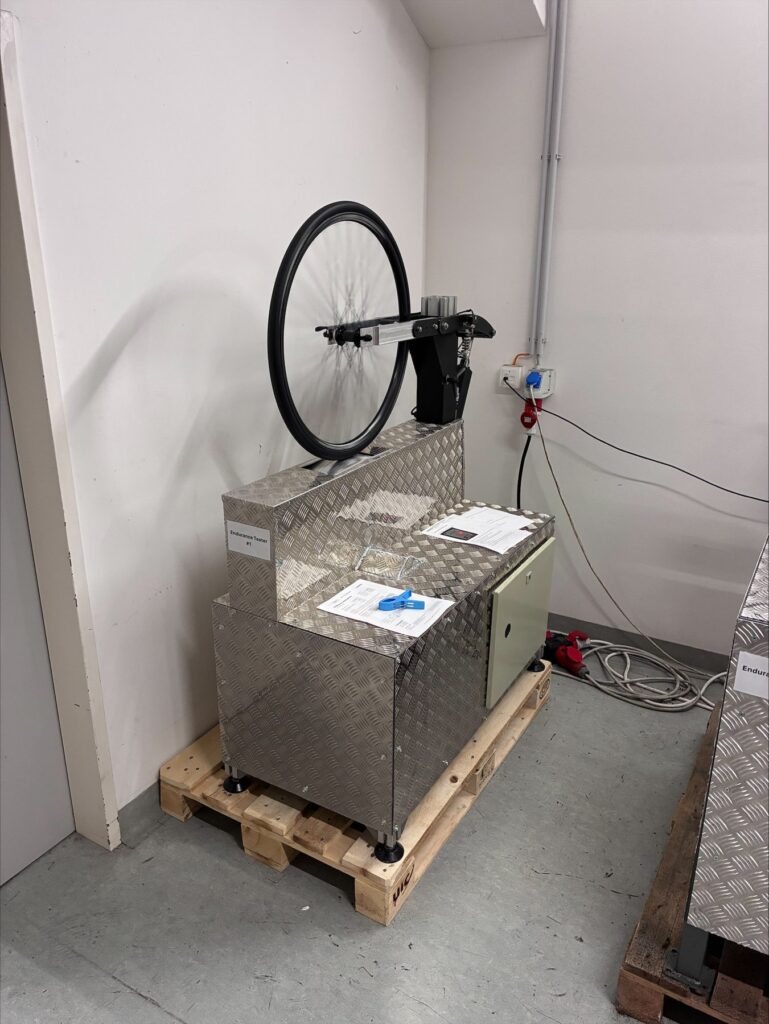
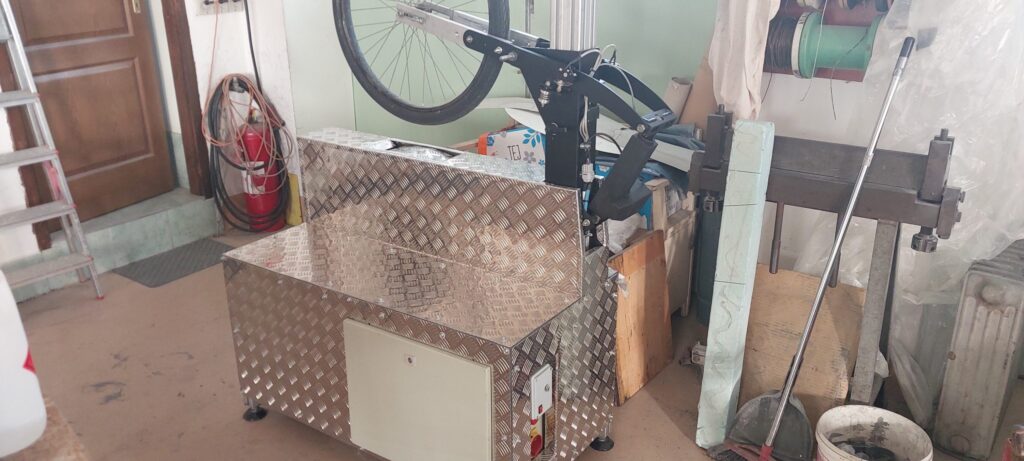
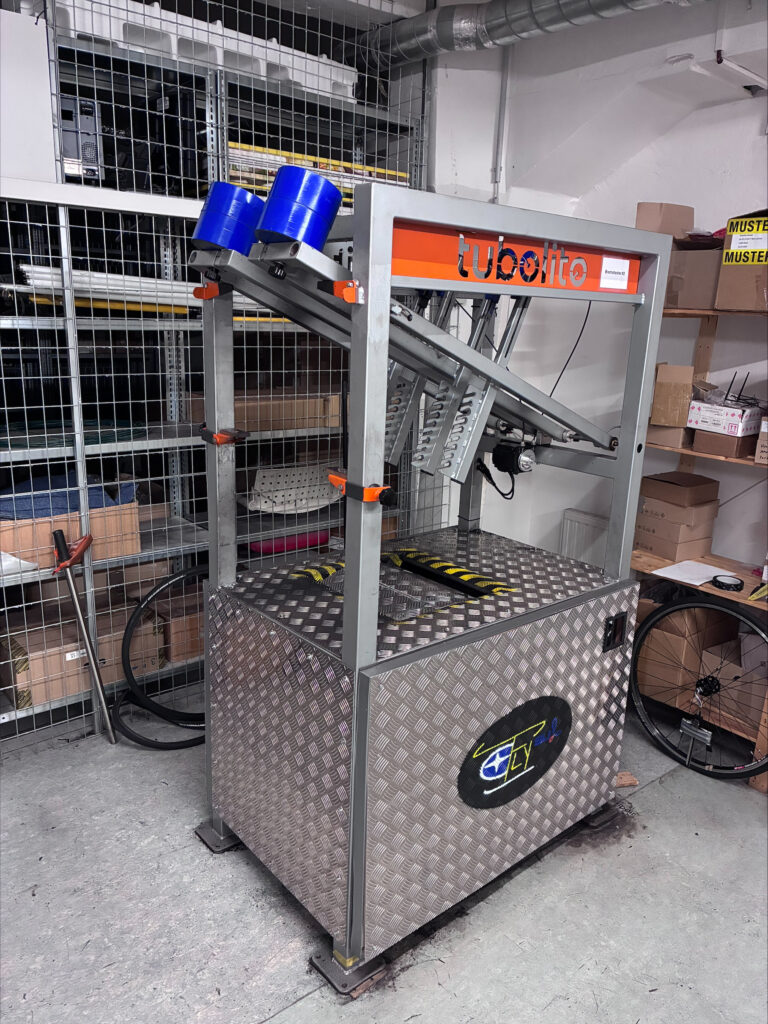
Over the years, we have designed and manufactured several test machines for Tubolito GmbH to ensure that their testing complies with the strictest international regulations.

Carbon-composite structures

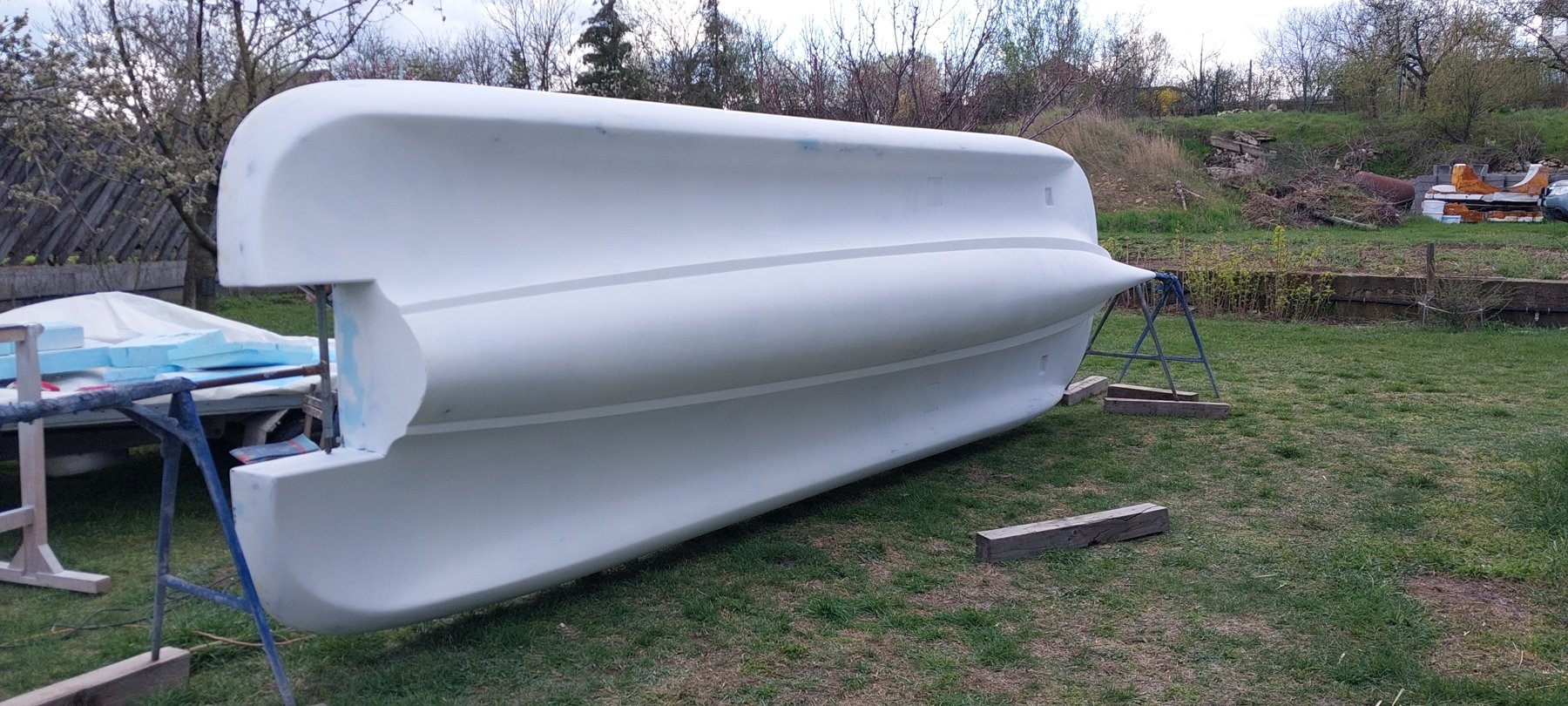
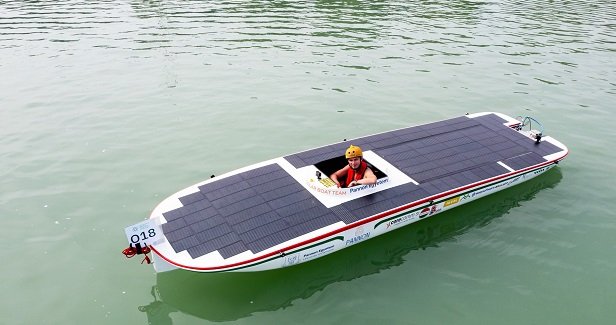
The hull of the University of Pannonia's Solar Boat Challenge racing boat was entirely designed and manufactured by us, taking into account all regulations and racing rules.

Powertrain integration

In 2010, the Subaru engine was integrated into Hungarokopter's first development, the HC01, with our contribution, and the cooperation has been ongoing ever since. Since 2011, we have also participated in the realization of several innovations by HeliForce Kft.

Patented door opening

The rotational opening of the cabin door along an arc within the lateral plane of the cabin is patent pending; no similar solution currently exists.

Simpler rudder control

The patented innovation of the rudder system simplifies the yaw control of coaxial helicopters and reduces the complexity of the rotor hub.

Digital instrumentation

Two 8-inch multi-function digital displays with dedicated sensors and data logging, alongside three independent analogue barometric master instruments: airspeed, altimeter, and vario.

Do you have any questions about our developments?

Contact us: our engineering team is happy to answer your questions regarding aircraft development, custom machinery manufacturing and rotor balancing.